CALL NOW · (719) 499-7787
  1. Home
  2. Services
Our services

Bail bond services

Whatever the charge, whatever the amount — if a court anywhere in Colorado set a bond, I can write it. El Paso and Teller County are home base, but I post bonds statewide across Colorado. Here’s the full list, plus how to start.

There’s no such thing as a charge I haven’t seen. Since 1997 I’ve written surety bonds large and small — in Colorado Springs and all of El Paso County, up the pass in Woodland Park and Teller County, and statewide across Colorado. Whatever the size, the process is the same: you call, we do the paperwork by phone, I post the bond at the jail, they walk out. That’s true for every bond on this page — the charge changes the details of the paperwork, never the shape of the process.

The phone is answered 24 hours a day, 365 days a year — and every call gets a person who can actually start the bond. If you’re not sure which category below fits your situation, don’t study the menu. Call (719) 499-7787, describe what happened, and I’ll tell you exactly what you’re dealing with. The call costs nothing, and you commit to nothing by making it. New to all of this? Start with how bail bonds work in Colorado — it’s the whole process in plain English.

Which jail you’re dealing with depends on where the arrest happened. El Paso County arrests — Colorado Springs, but also Fountain, Monument, and Falcon — book into the El Paso County Jail (CJC) on East Las Vegas Street. On the Teller County side — Woodland Park, Divide, Florissant, Cripple Creek, Victor — it’s the Teller County Jail in Divide, with court up in Cripple Creek.

Before you dial, grab a pen. The details that move a bond fastest: the defendant’s full name and date of birth, the booking number, which facility they’re in, the charges, and the bond amount if a judge has set one. No bond amount yet usually means the defendant is still waiting on advisement — the first appearance, where the judge sets it — and the paperwork can be finished before that number even exists.

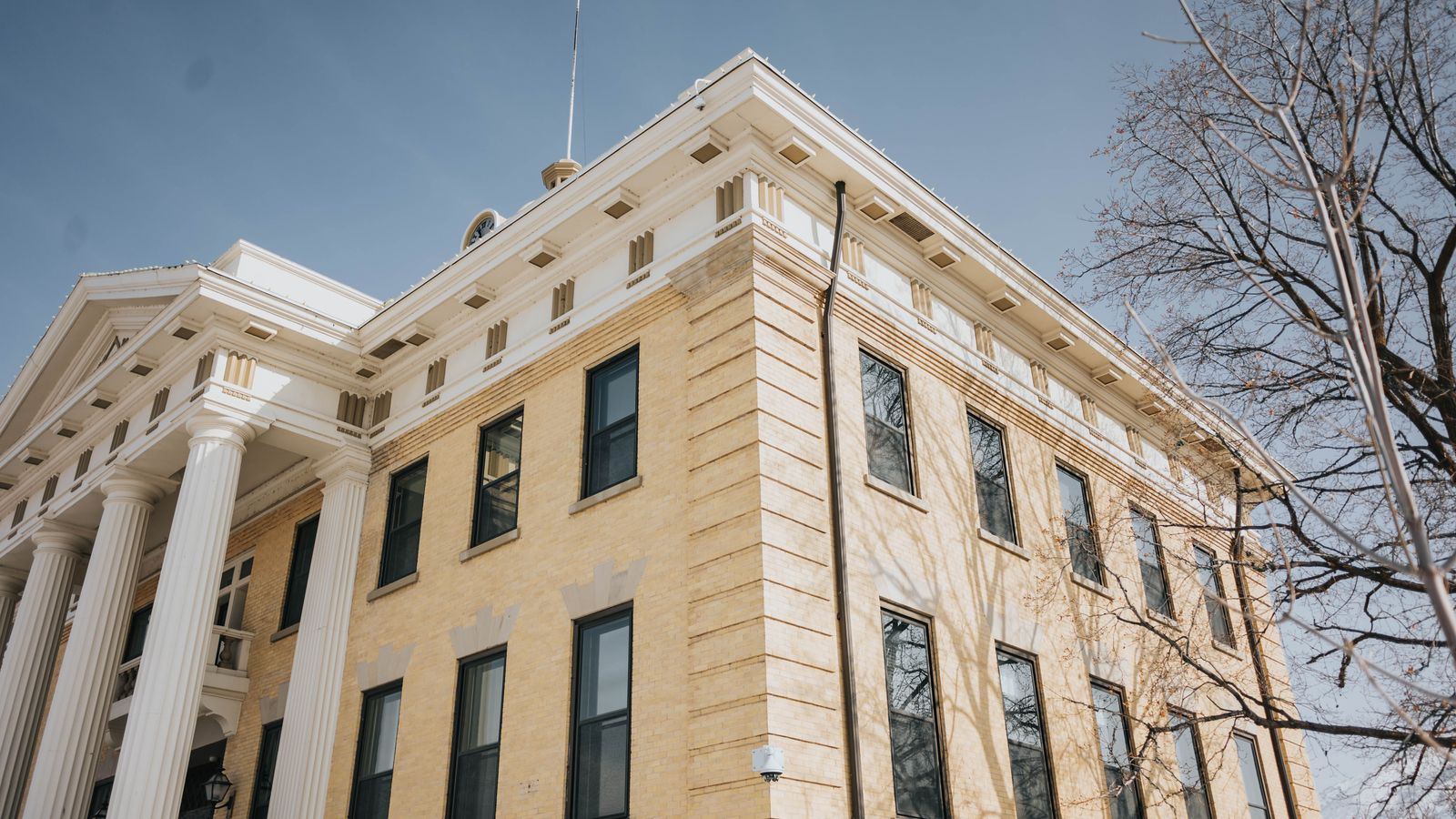
Courthouse building with a columned entrance
Whatever the court set, the process is the same — call, paperwork by phone, bond posted at the jail.
Bond types

Six situations, one process.

Every bond below is a licensed Colorado surety bond — the details just change with the charge. Pick yours for the full write‑up.

Misdemeanor bonds

Colorado reworked its misdemeanor classes in 2022 — most charges now land as M1 or M2, and plenty of low‑level offenses get personal recognizance bonds with no money involved at all. But when a judge does set a cash‑or‑surety bond, even a modest one, somebody still has to post it before anyone goes home. That’s where I come in: smaller premiums, paperwork done by phone in well under an hour, and a bond moving toward the jail within minutes of your call.

Misdemeanor bonds →

Felony bonds

Felonies — F1 through F6, plus Colorado’s drug felony levels — mean higher bond amounts, more paperwork, and sometimes collateral. They also mean a co‑signer is taking on real responsibility, which is exactly why I walk through every line of the agreement before anyone signs: what the bond costs, what the co‑signer guarantees, and what happens if court gets missed. Felony bonds have been part of the job here since 1997, and very little surprises me — including the size of the number.

Felony bonds →

DUI bonds

DUI and DWAI arrests cluster at the worst possible hours — late nights, weekends, holidays — which is precisely when my phone is on. Beyond posting the bond, I’ll explain what usually comes with it: Colorado courts commonly attach monitored‑sobriety conditions to DUI bonds, and the license side of a DUI runs on its own separate clock. I can’t give legal advice, but I can make sure you leave the jail understanding your bond conditions instead of guessing at them.

DUI bonds →

Domestic violence bonds

DV cases run on different rules in Colorado: mandatory arrest, a mandatory protection order, and — in most cases — a judge must see the defendant before any bond can be posted. That means nobody can honestly promise a middle‑of‑the‑night release, and you should be wary of anyone who does. What I can do is get the bond ready to move the moment the court allows it, explain what the protection order means in practice, and keep you informed through the wait instead of leaving you to refresh a webpage.

Domestic violence bonds →

Drug charge bonds

Drug bonds cover the widest range of any category — from petty possession to distribution felonies across Colorado’s DF1–DF4 levels, and in the fentanyl era some of those numbers run higher than families expect. I’ll tell you what the amount actually means, whether conditions like testing or treatment programs are likely to ride along with the bond, and the fastest route from the number on the screen to a release. No lectures included — my job is the bond, not the sermon.

Drug charge bonds →

Warrants & failure to appear

A warrant hanging over you is its own kind of misery — every traffic stop a gamble. The fix is a walk‑through: call me first, we arrange the bond in advance, and you turn yourself in on your own schedule with the release already lined up. Done right, that’s hours in booking instead of days in a cell. I also handle rebonding after a failure to appear and can help sort out old out‑of‑county warrants. Step one is always the same: call before you walk in.

Warrant & FTA bonds →
Getting started

How to start.

Two ways in. One is faster; both end with the phone ringing on my end.

Option 01 — fastest

Pick up the phone

Call (719) 499-7787 any hour, any day. Tell me who’s in custody and where — if you don’t know the bond amount or booking details, I can usually look them up while we talk. Most bonds go from first call to posted paperwork without you leaving your kitchen.

Option 02 — online

Start the application

Prefer to get the paperwork rolling first? Start your bond paperwork online — defendant info, co‑signer info, jail and charge details. I’ll review it and call you back to finish. If someone’s sitting in a cell right now, skip the form and call; it’s faster.

A straight word about money: you pay a one‑time premium set by rates filed with the state — typically in the 10–15% range of the total bond — and I’ll quote your exact number before you commit to anything. Because the rate is filed with the state, the math is the math: the quote you hear at midnight is the same one you’d hear at noon. The premium isn’t refundable, and anyone who tells you otherwise is selling something.

Ask about payment options when you call; every family’s situation is different, and the conversation costs nothing — you can describe the situation, hear the exact number, and still walk away. And if the numbers, terms, or Latin are getting blurry at 3 a.m., the plain‑English guide to how bail works is a good place to catch your breath.

Collateral, when it comes up at all, is separate from the premium. It secures the bond — it doesn’t pay for it. Nothing gets spent, sold, or folded into fees; it’s held while the case runs its course, and once the court exonerates the bond at the end, it comes back. Smaller bonds rarely involve it, and if yours is one that does, you’ll hear that from me before you sign, not after.

One more thing, since the premium usually arrives alongside a co‑signer’s signature: signing means you’re guaranteeing the defendant shows up to every court date — not that they’re innocent, and not how the case turns out. A missed date brings a warrant and can get the bond revoked, which is when a co‑signer’s obligation stops being theoretical. Know the dates, stay in touch, and if a problem is brewing, call me before the hearing rather than after.

Two people shaking hands across a desk, with a contract and pen on the table
The cost and the co‑signer’s obligations are explained in plain English before anything gets signed.
More resources

Related reading

If the list above didn’t obviously point at your situation, don’t agonize over the menu. How bail bonds work in Colorado walks the whole thing end to end in plain English — arrest, advisement, premium, posting, exoneration — and it’s the page most families should read first. For the shorter questions, the ones that come up on almost every call, the FAQ answers them one at a time.

Not sure where your person actually is, or what the bond amount is? Start at find an inmate. Then read up on the facility you’re dealing with: the El Paso County Jail (CJC) on East Las Vegas Street, or the Teller County Jail in Divide, with court up in Cripple Creek. Knowing which building you’re calling about saves real time.

The local pages cover each side of the pass and the courts that go with them — Colorado Springs and El Paso County, and Woodland Park and Teller County. If you’d rather know who you’re handing your paperwork to before you call, about Dave is the short version: a licensed Colorado bondsman who has been writing these bonds here since 1997.

For cases outside El Paso and Teller counties, read the local guides for Pueblo County, Fremont County, Park County, and Elbert County. Each guide brings the local jail, court, and bond information together.

The Front Range guides cover Denver, Douglas County, Arapahoe County, and Jefferson County. Use the page for the county where the case is being handled so you have the relevant facility and court details when you call.

When you’re ready to move, start a bond application. Have the defendant’s full name and date of birth, the booking number, the facility, and the charges in front of you — and the bond amount if a judge has already set one. If no amount exists yet, that usually just means advisement hasn’t happened; the paperwork can be finished while you wait for the number.

One honest note about the clock. Once a bond is posted, the release timeline belongs to the jail — booking volume, headcounts, and shift changes decide it, not me. Ask for a realistic window when we talk and plan the pickup around that. Anything else you need is on the contact page, or just call (719) 499-7787, any hour, any day.

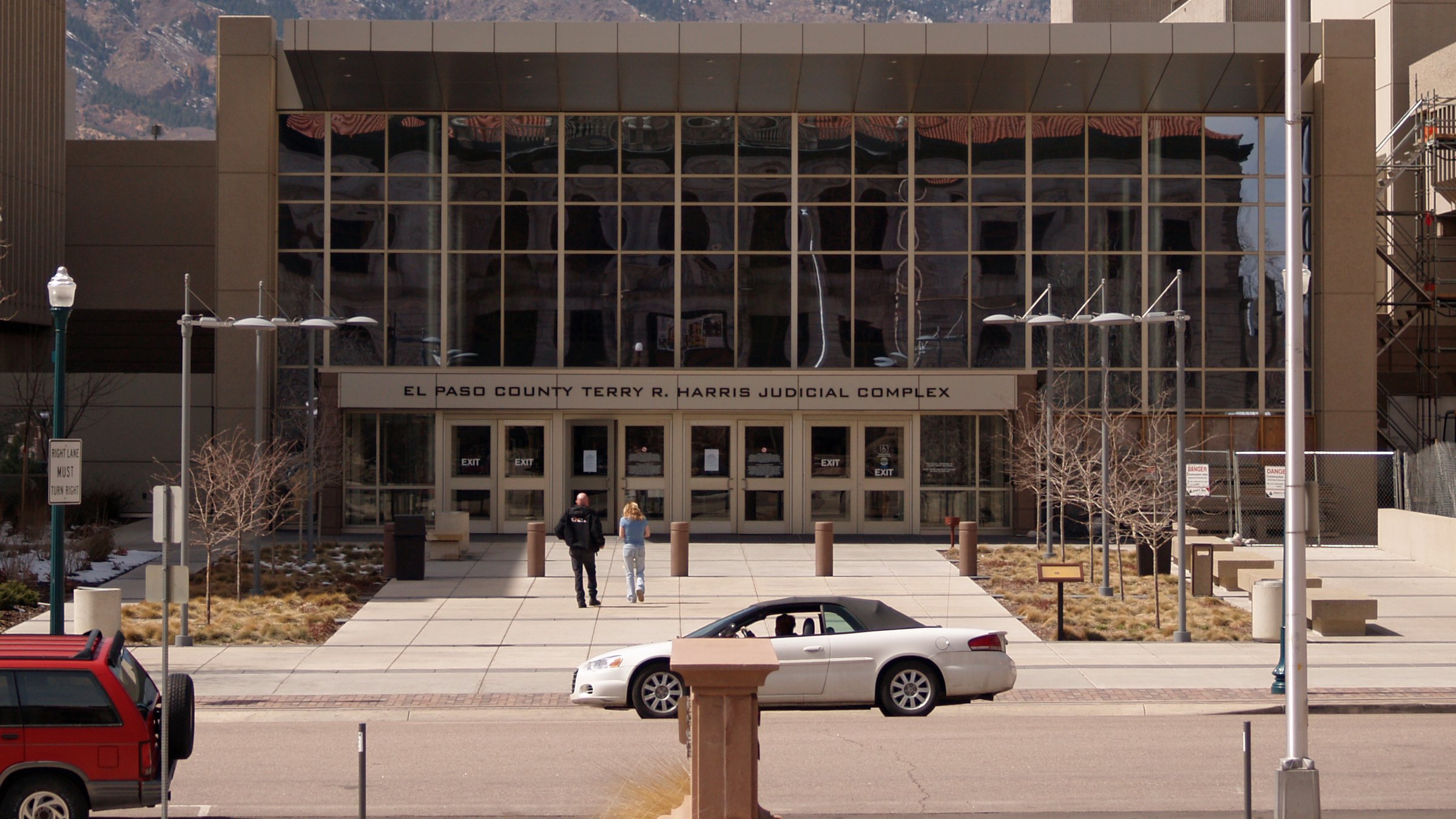
Two people walking into the El Paso County Terry R. Harris Judicial Complex in downtown Colorado Springs
The Terry R. Harris Judicial Complex downtown, where El Paso County cases are heard. Teller County cases go up to Cripple Creek — the local pages cover both sides.
Open 24 hours a day

Whatever the charge, it starts with a call.

Misdemeanor or felony, midnight or noon — describe the situation and I’ll tell you exactly what happens next.

Colorado Springs · Woodland Park · On call 24/7