Find the bond amount.
Check the EPSO inmate locator for the booking number, charges, and bond. Or skip straight to step two — give me a name and date of birth, and I can usually pull up the booking while we’re on the phone.
If someone was arrested anywhere in El Paso County, odds are this is where they’re sitting. Here’s how the CJC actually works — booking, bond, and the walk out the front door.
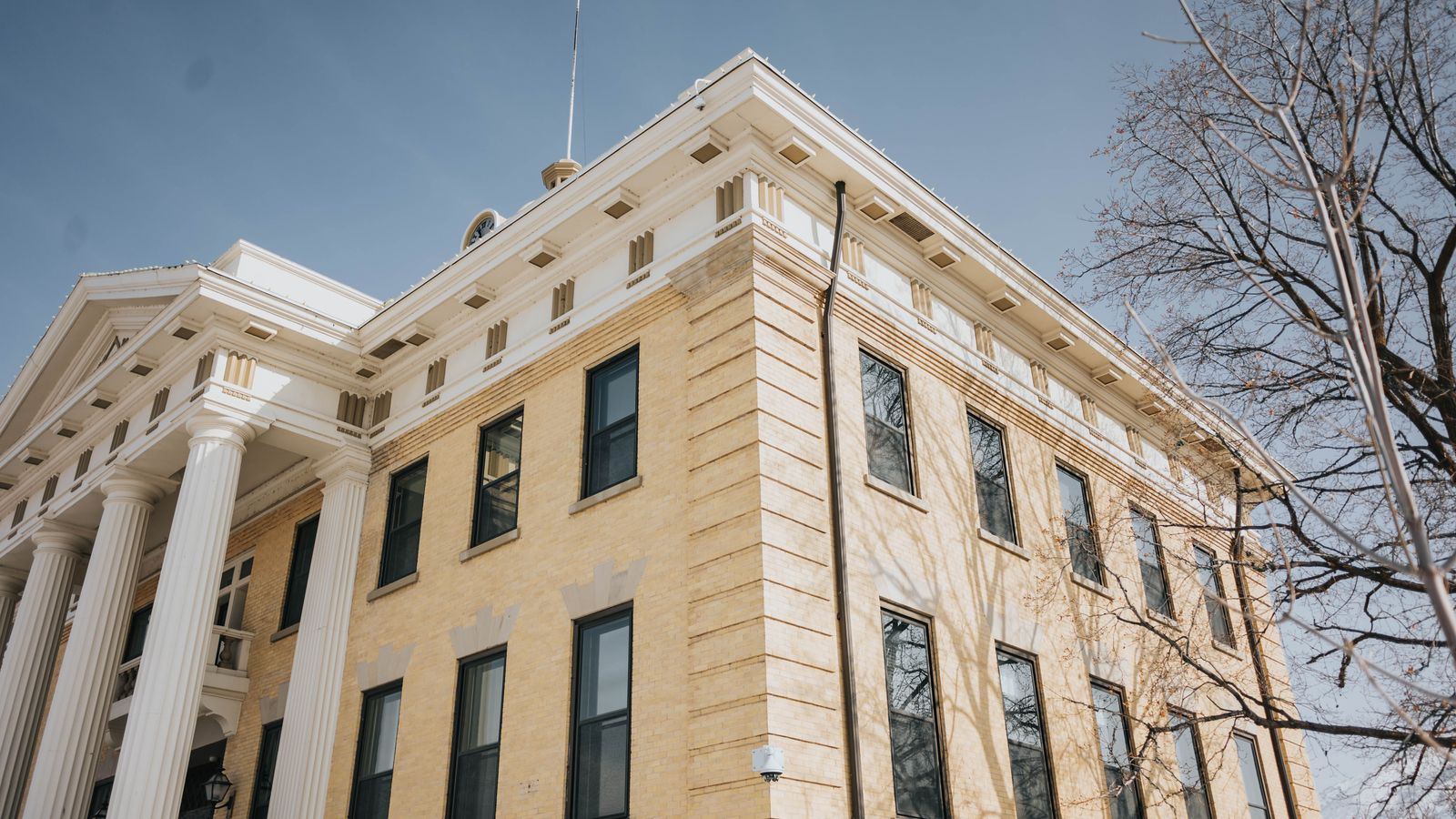
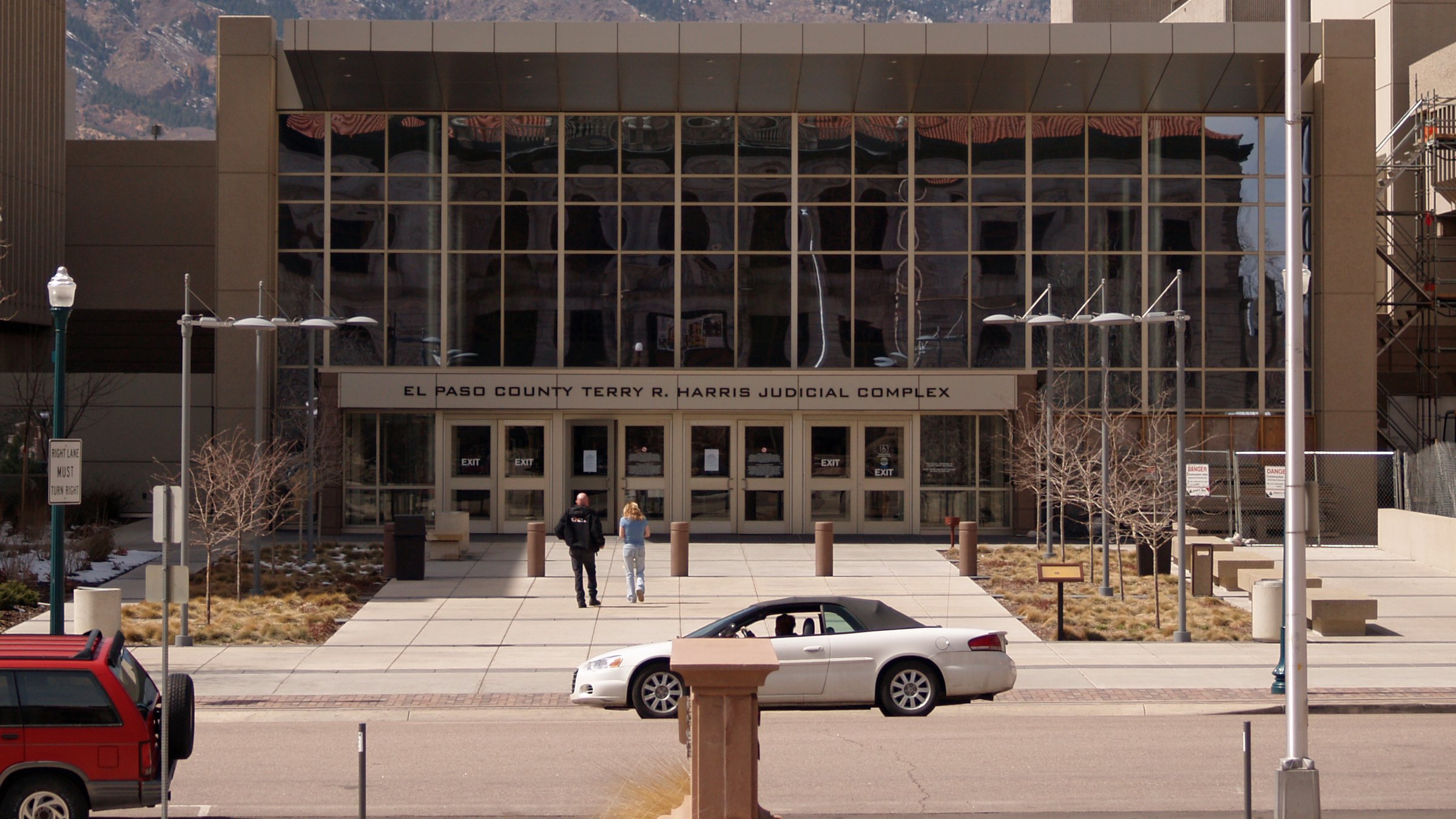
The Criminal Justice Center — everyone just says “the CJC” — is El Paso County’s main jail, run by the El Paso County Sheriff’s Office on East Las Vegas Street in Colorado Springs. Whether the arrest happened downtown, in Fountain, out toward Falcon, or on the interstate, virtually every adult booking in the county funnels into this one facility.
That’s worth knowing, because it means everything downstream — the inmate locator entry, the advisement hearing, the release itself — runs on the CJC’s schedule, not yours. Once booking finishes, you can find anyone through the EPSO inmate locator — the inmate search guide shows how to use it. Understanding that schedule is most of the battle. The rest is one phone call.
When the locator entry does appear, copy five things off it before you dial anyone — the jail, a lawyer, or me. You’ll be repeating them on every call you make tonight, and reading from a note beats spelling a name from memory at 2 a.m.

The first few hours look like nothing is happening. Booking means fingerprints, photos, medical screening, and warrant checks — and while it’s underway, your person usually can’t take calls and won’t show up in the online locator yet. On a busy weekend night, that stretch can run several hours. It’s maddening, but it’s normal.
Once booking completes, they appear in the Sheriff’s Office inmate locator with a booking number, their charges, and — if it’s already been set — a bond amount. For many charges, bond comes from a schedule and can be posted right away, any hour of the night.
If a judge has to weigh in first, the next stop is advisement: the first court appearance, where bond is set or reviewed. These generally happen within a day or two of booking, often by video from inside the jail. Domestic violence cases always wait for the judge — Colorado law requires it, and no bondsman can honestly promise otherwise.
Advisement can also end without a bill. Judges have more options than a dollar figure — a personal recognizance (PR) bond releases someone on a signed promise to appear, with no money posted by anyone. If that’s what the judge orders, you don’t need a bondsman at all, and finding that out before you pay anyone is the right order of operations.
Want the whole sequence from arrest to court date, in plain English? That’s what how bail works is for.
Five steps. You handle the first two — I handle the rest.
Check the EPSO inmate locator for the booking number, charges, and bond. Or skip straight to step two — give me a name and date of birth, and I can usually pull up the booking while we’re on the phone.
Any hour, any day. I’ll quote the exact premium — a one‑time fee set by rates filed with the state, typically in the 10–15% range — before you commit to anything at all.
The application and indemnity agreement happen by phone and online. I walk through it line by line — especially what the co‑signer is agreeing to. Most families finish in under an hour.
I take the bond to the CJC and post it — a counter I’ve stood at since 1997. You don’t have to drive anywhere at midnight unless you want to be there for the walk‑out.
Once the bond is posted, release runs on the jail’s clock: holds get checked, property gets processed, intake volume matters. A few hours is typical; slammed weekends run longer. I’ll tell you honestly what tonight looks like.
Visitation schedules, phone systems, and commissary deposits at the CJC change more often than any outside website can keep up with — this one included. For current rules, go straight to the source: the El Paso County Sheriff’s Office site carries the up‑to‑date procedures for visits, calls, and deposits.
One practical note from nearly three decades of watching families spend money they didn’t need to: if release is likely within hours, setting up phone accounts and deposits may be wasted effort. Call me first at (719) 499-7787 — if the bond can move tonight, put the money toward the premium instead of a phone account nobody ends up using.
The waiting hours are also good for lining up the bond paperwork. If you’re the co‑signer, have your ID, current address, and phone numbers within reach, plus the booking details from the locator — then the application call gets spent answering your questions instead of hunting for information.
Think about the walk‑out, too. People leave the CJC with whatever was in their property at booking — and a phone that’s been dead for two days doesn’t call for a ride. Agree in advance on who’s picking up, and remember that releases don’t keep business hours; plenty happen in the middle of the night.
And the first job after release: find the next court date on the bond paperwork and copy it somewhere it can’t be lost. Missing court turns a manageable situation into a warrant and a revoked bond — it’s the single most avoidable problem in this entire process.

The bond side is fast — paperwork by phone in under an hour, posted shortly after. The release side belongs to the jail: a few hours after posting is common, and busy stretches like weekend nights and holidays can push it well past that. Anyone quoting you an exact number of minutes is guessing. What I can promise is an honest read when you call, and updates if things drag.
Yes. The jail will take the full bond amount in cash, and if the defendant makes every court date, the court returns it when the case ends — sometimes minus fees or fines the court applies. If the bond is small and you have the cash on hand, that can be the sensible move, and I’ll tell you so. A surety bond makes sense when the number is bigger than you can comfortably tie up: you pay a one‑time premium instead of the whole amount, and your savings stay yours.
Posting the bond puts your person in the release queue — it doesn’t unlock the door. The jail verifies there are no other holds or warrants, processes property, and finishes its own paperwork, all with the same staff who are booking new arrests. Shift changes and headcounts pause everything. None of it is personal, and none of it is in a bondsman’s control — which is exactly why I give you ranges instead of fairy tales.
Procedures change. Facility details on this page were last reviewed July 2026 — confirm anything critical, like visiting rules or payment logistics, directly with the El Paso County Sheriff’s Office.
More questions? The full FAQ covers cost, co‑signers, and everything between. Arrest happened in the Springs? Start with the Colorado Springs bail bonds guide — or go straight to the bond application.
This page is about the building. For the rest of the local picture — which court a case belongs to, which towns book into this jail, and how a bond gets written without anyone driving downtown — read bail bonds in Colorado Springs. The two pages are companions; between them they cover almost every question a family has on the first night.
If the locator still shows nothing, don’t assume the worst. The inmate search guide explains the lookup, what a delay usually means while booking finishes, and what to write down the moment the entry appears. If the county line turns out to be the problem — the arrest happened up the pass, not here — then the Teller County Jail guide and Woodland Park & Teller County are the pages you actually need. And if the arrest happened somewhere else in Colorado altogether, call anyway — El Paso and Teller are home base, but a bond is a bond, and I write them statewide, at any county jail in Colorado.
Once the charges are listed, the charge pages are worth ten minutes. Misdemeanor and felony bonds explain how the amounts and the paperwork differ; DUI bonds and drug charge bonds cover the conditions courts often attach on release. Domestic violence bonds explains the wait for the judge that no bondsman can shorten, and warrants & failure to appear covers turning yourself in on purpose rather than in handcuffs.
For the whole arc — what a co‑signer promises, when collateral comes into it, what a premium is and why it doesn’t come back — how bail works is the plain‑English version. Services lists every bond I write. The FAQ is where the money questions live, and it’s a better use of the wait than refreshing the locator.
When there’s a number to post against, the online bond application gets the paperwork moving from wherever you’re sitting. If you’d like to know who’s on the other end first, about Dave and contact cover it. Or skip all of it and call (719) 499-7787 — the reading can wait; the booking clock doesn’t.
Then the clock is already running. One call starts the bond — day, night, weekend, or holiday.
Colorado Springs · Woodland Park · On call 24/7